Investing in Bali, Dubai or Thailand? These three destinations dominate the searches of investors looking to beat the low single-digit net yields typical of most Western rental markets, but they do not offer the same yield, the same ownership rights or the same entry ticket. An honest comparison, backed by 2026 figures.
Key takeaways
- Bali offers the best net yield of the three markets (10-13%), Dubai offers full ownership and zero local taxation, Thailand the lowest entry ticket.
- In Bali, building your asset (from 169.000 € turnkey, 25.000 € per share) costs 2 to 4 times less per sqm than buying finished in Dubai: that is the lever that changes the equation.
- No market exempts you from your home-country tax obligations: compare yields net of structure and management costs, not gross promises.
Contents (6 chapters)
- 01Why compare before choosing your investment destination?
- 02Investing in Bali: yield, entry ticket and legal framework
- 03Investing in Dubai: what the Emirati market really promises
- 04Investing in Thailand: the condominium compromise
- 05Bali vs Dubai vs Thailand: the numbers side by side
- 06Which profile for which destination?
Why compare before choosing your investment destination?
Bali, Dubai and Thailand come up in almost every search by an investor who wants to move beyond the modest net yields of most Western rental markets. All three destinations promise better, but they do not play in the same category: not on the entry ticket, not on the real ownership rights of a foreigner, and not on taxation.
Comparing seriously means looking at four variables: the net yield (not the gross promise of the brochures), the legal structure that protects your capital, the total cost of entry, and liquidity at resale. That is the exercise of this page, backed by sourced figures.
Investing in Bali: yield, entry ticket and legal framework
Bali remains the market with the highest net yield of the three: 10 to 13% observed on well-positioned, well-managed villas, driven by record tourism, around 7 million foreign visitors in 2025, up 10-11% year on year. The mechanics are simple: net profitability follows the occupancy rate (around 0.2 x occupancy, which places a well-managed villa between 10 and 13% net).
A foreigner cannot hold freehold title (Hak Milik), but two secure structures exist: the renewable 25-30 year leasehold, and the PT PMA (foreign-owned company) which holds an HGB title and allows you to operate legally in short-term rental. The details are in our guide How to invest in Bali.
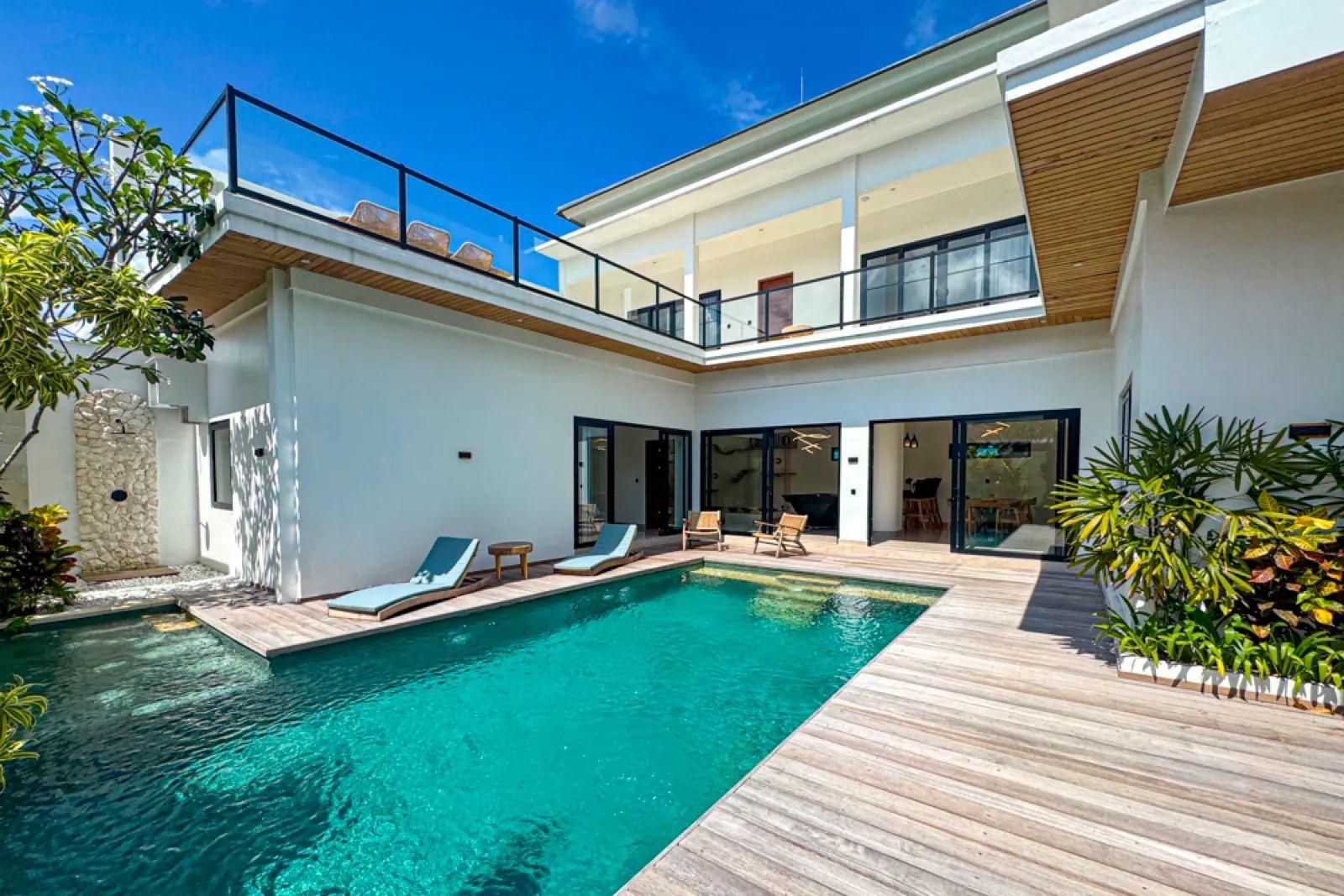
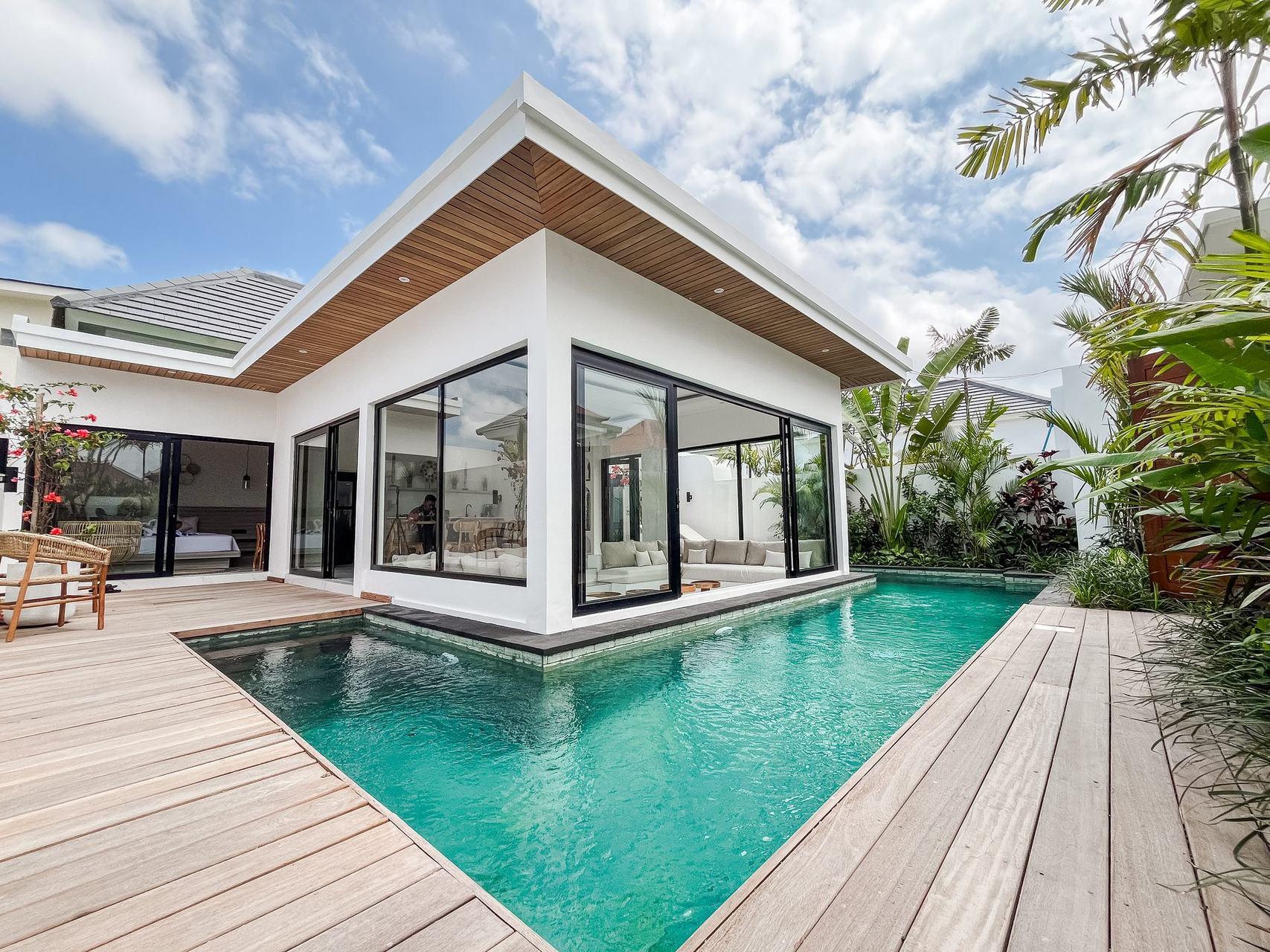
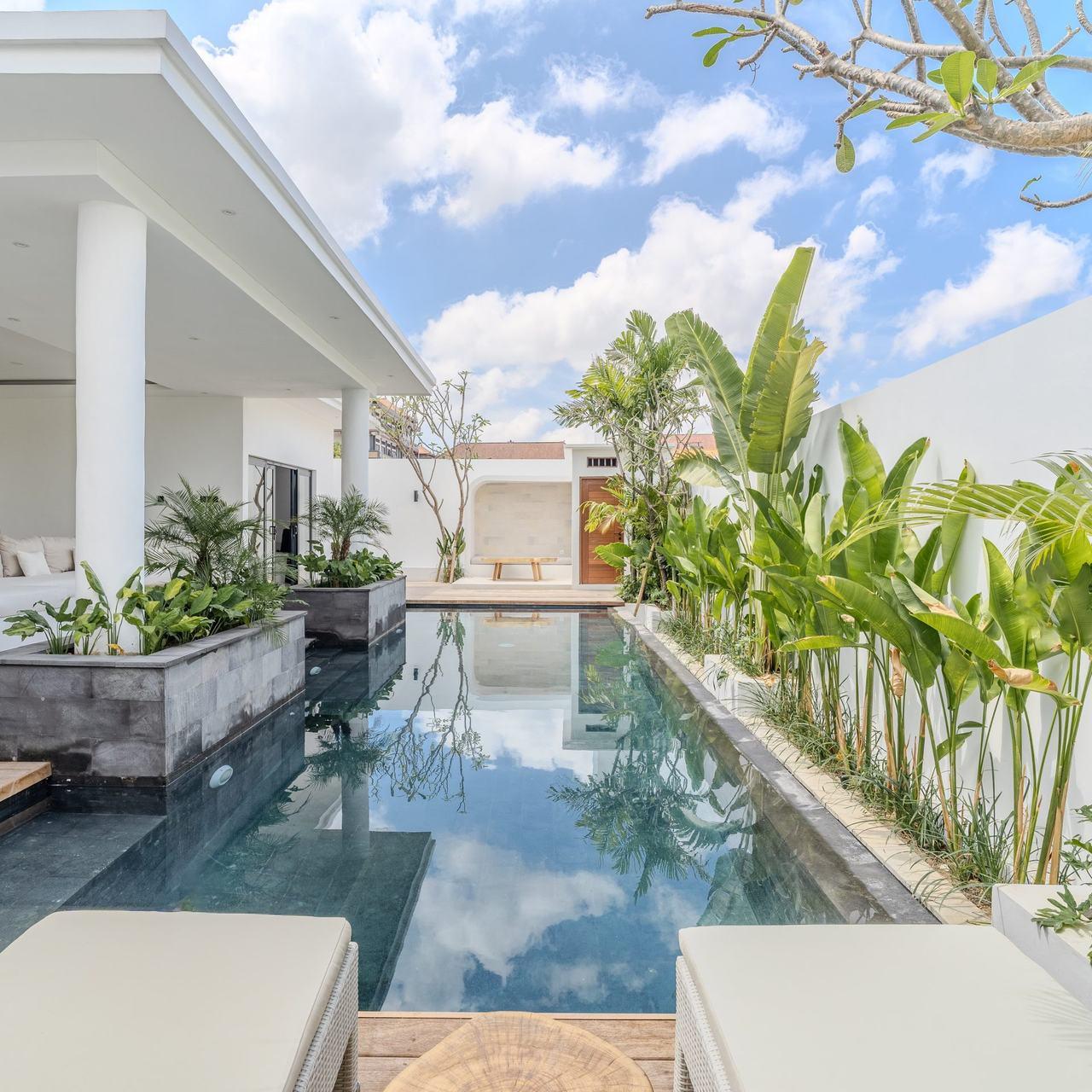
On the budget side: a turnkey villa starts at around 169.000 € (land, construction, legal structure, furnishing), and shared investment opens the market from 25.000 € per share. That is the lowest entry ticket of the three destinations for an asset generating short-stay yield.
Investing in Dubai: what the Emirati market really promises
Dubai has a killer argument: full foreign ownership (freehold) in the designated zones, and zero tax on rental income in the Emirates. The market is deep and liquid, and the administrative framework is efficient.
In return, yields are lower: rents commonly return in the region of 5 to 8% gross depending on the district, from which you must deduct high service charges, management and vacancy. The entry ticket for a decent studio in a rentable zone often exceeds 150.000 € to 250.000 €, and the massive supply of new builds creates a real risk of vacancy and pressure on rents in some districts.
Dubai suits a wealth-focused profile that prioritises full ownership, liquidity and zero local taxation, while accepting a net yield generally half that of a well-managed Bali villa, and exposure to the very pronounced cycle of the Emirati market.
Thinking about a project in Bali?
Our experts review your situation for free, with no commitment.
Investing in Thailand: the condominium compromise
Thailand offers a simple route: a foreigner can own a condominium in freehold, within the limit of 49% foreign-owned units per building. That is the great advantage of the Thai market, along with low entry prices (studios in Phuket or Bangkok under 100.000 €).
The limits are well known: land remains off-limits to full foreign ownership (villas go through 30-year leases or corporate arrangements more fragile than in Indonesia), and rental yields commonly sit in the region of 5 to 7% gross, with strong seasonality and intense hotel competition in the tourist areas.
Thailand is a good secondary market for diversifying with a small ticket, but for a primary yield project on a villa, the Indonesian PT PMA framework today offers a clearer combination of yield and legal security.
Bali vs Dubai vs Thailand: the numbers side by side
No destination wins on every front. Dubai wins on ownership and local taxation, Thailand on the minimum ticket, Bali wins on net yield and on the production cost of a high-end asset: building there costs 2 to 4 times less per sqm than buying the finished equivalent in Dubai.
It is this construction lever that changes the Bali equation: you create the asset at its cost price instead of buying a developer's margin. The detailed figures are in our guide Building in Bali: what it costs, what it returns.
Which profile for which destination?
Choose Dubai if your priority is full ownership, liquidity and zero local taxation, with a wealth-building objective more than cash flow. Choose Thailand for a reduced first ticket on a condo, accepting modest yields and a restrictive framework on villas.
Choose Bali if your objective is yield: 10-13% net observed, a bespoke asset built at a controlled cost, and rental demand driven by one of the most dynamic tourism markets in the world. The non-negotiable condition: a clean legal structure (PT PMA or verified leasehold) and professional rental management on the ground.
Our Kerobokan team supports international investors across the whole chain: land, legal structure, construction, furnishing, operation. 90 villas delivered since 2021: it is this observed base that feeds the figures on this page.
Frequently asked questions
Bali, with 10 to 13% net observed on well-managed villas, versus roughly 4-6% net in Dubai and 3-5% net in Thailand. The gap comes from the low production cost of a villa in Bali relative to high nightly rates.
Not in the sense of Emirati freehold: in Indonesia, a foreigner goes through a renewable 25-30 year leasehold or a PT PMA holding an HGB title. These structures are legal, proven and transferable, but different from freehold ownership.
Around 80.000 €-100.000 € for a condo in Thailand, 150.000 €-250.000 € for a rentable studio in Dubai, 169.000 € for a turnkey villa in Bali, or 25.000 € through Balimmo shared investment.
Locally yes, on rents. But your home-country tax obligations still apply: most Western countries tax the worldwide income of their tax residents and require foreign assets and accounts to be declared, whatever the destination.
The mature areas (Canggu, Seminyak) are expensive but still growing; the potential is shifting towards the emerging areas (Pererenan, Cemagi, North Ubud). See our analysis of the Bali property market.
Conclusion
Bali, Dubai and Thailand serve different objectives: wealth and liquidity for one, a small ticket for another, maximum net yield for Bali, provided you have a clean legal structure and professional management.
The strength of the Bali market is not a marketing number: it is a low production cost set against record tourist demand (7 million foreign visitors in 2025), which produces an observed 10-13% net.
To assess your specific case, area, budget, structure, our team analyses your project and provides a detailed simulation: talk to an expert.