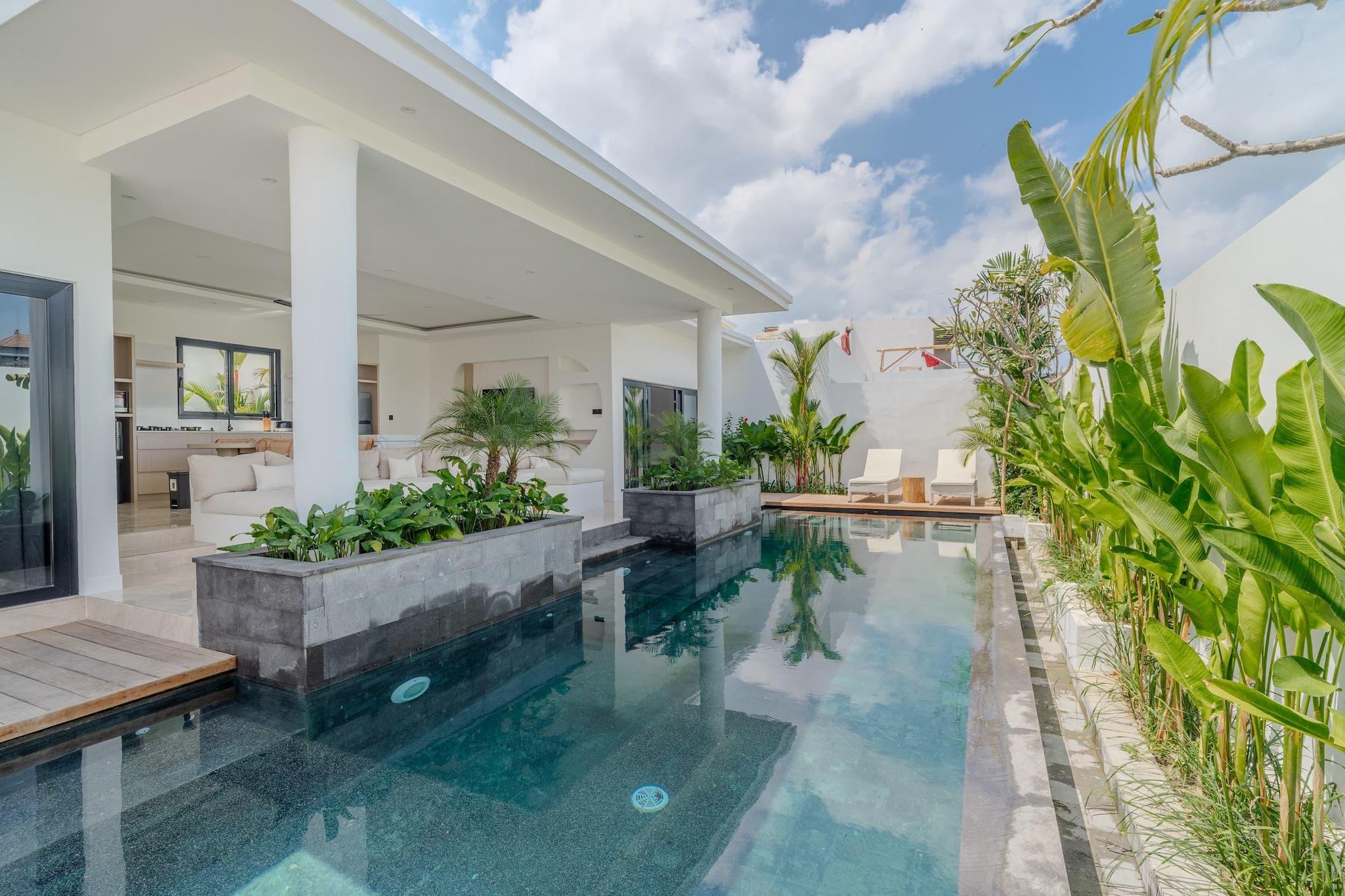
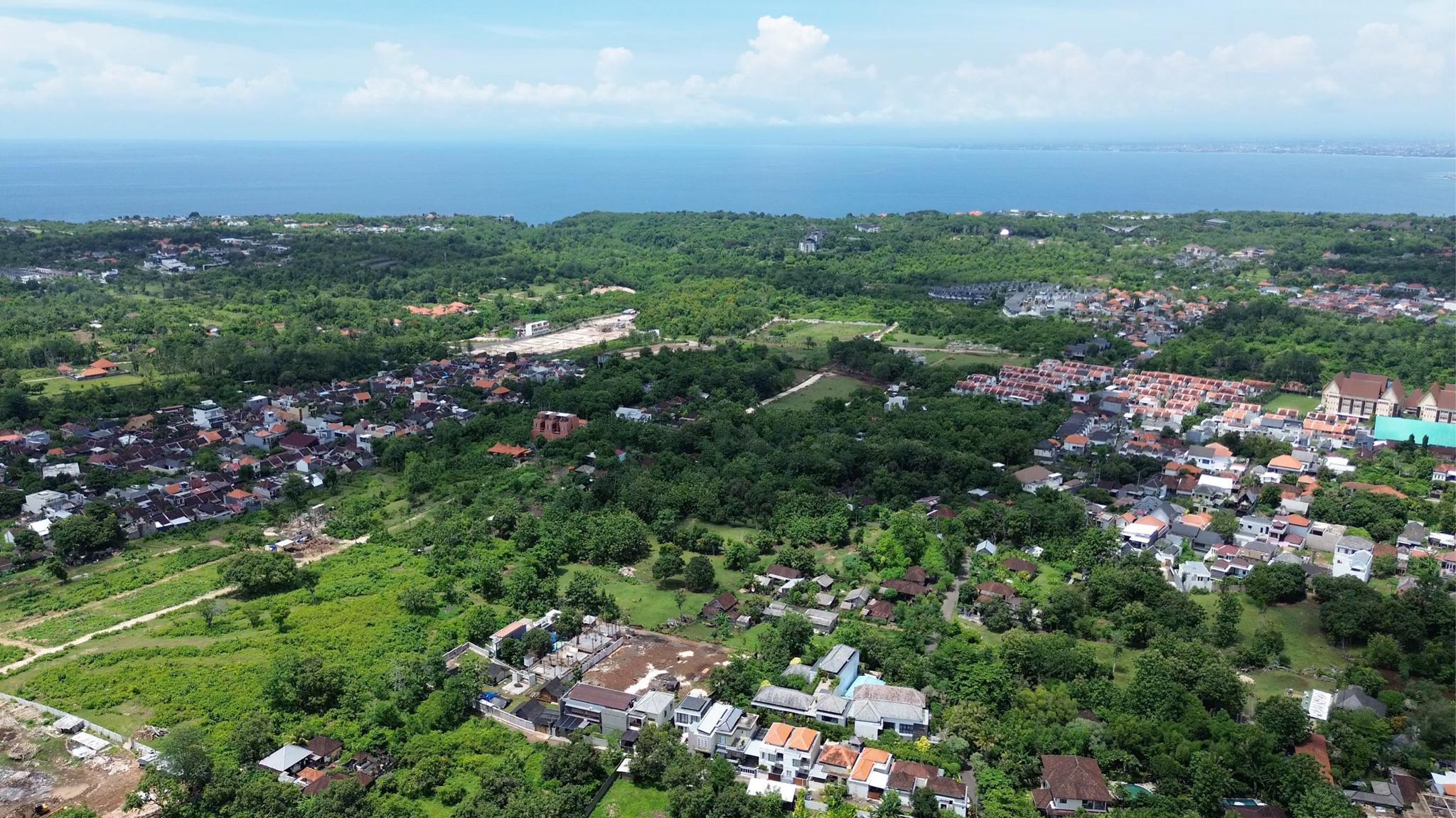
Villa management in Bali now determines a large part of a short-term rental's yield, especially since the market doubled in three years to reach 44,490 properties available in 2025. Between rental saturation, a tightening legal framework and the growing demands of booking platforms, delegating can no longer be improvised. In this guide, I walk you through the exact scope of a management contract, the real costs in 2026, the Indonesian legal framework and the net yields to aim for with a well-positioned villa.
Key takeaways
- Villa management covers 5 functions: OTA distribution, 24/7 concierge service, maintenance, local accounting and investor reporting.
- Full-service commissions in Bali sit between 15 and 20% of gross revenue, plus 15-16% OTA fees and a 10% hotel tax.
- A well-managed villa targets 10 to 13% net yield per year and pays for itself in 8 to 9 years, with an entry ticket from 25.000 € through shared investment.
Contents (6 chapters)
- 01What exactly is villa management?
- 02How does day-to-day rental management work?
- 03What are the costs and fee models in 2026?
- 04What legal framework governs villa management in Bali?
- 05How do you choose the right villa management provider?
- 06What yield should you target with a well-managed villa in 2026?
What exactly is villa management?
Villa management is the complete operational takeover of a property in tourist rental: multi-channel marketing, guest welcome, housekeeping, maintenance, local accounting and investor reporting. In 2025, fees charged in Bali range from 15% to 25% of gross revenue, with most full-service operators between 15 and 20% (Propertia, 2026).
In practice, a serious contract covers 5 pillars: multi-OTA distribution (Airbnb, Booking, Vrbo, direct), 24/7 concierge service, cleaning and preventive maintenance, local accounting and tax compliance, and monthly reporting with figures.
A full-service contract in 2026 typically includes 8 to 12 distinct services for a commission of 15 to 20%. To dig deeper into the exact scope, see our villa rental management in Bali.
How does day-to-day rental management work?
On the ground, a typical day combines dynamic pricing, coordinating housekeeping teams, check-ins and check-outs, corrective maintenance and review management. In 2025, the average occupancy rate of Bali's starred hotels reached 61.02%, the highest of Indonesia's 38 provinces (Databoks/BPS, 2025), a useful benchmark for a premium villa.
The typical operational rhythm:
- Pricing adjusted daily according to the calendar and demand
- Housekeeping teams mobilised between every departure
- Pool and garden check 2 to 3 times per week
- Replies to post-stay reviews within 24 hours
- Quarterly preventive maintenance (air conditioning, plumbing, equipment)
What are the costs and fee models in 2026?
Three models dominate in Bali: a pure commission on gross revenue (15-25%), a fixed monthly fee, or a hybrid model with a fixed part plus a variable part indexed to performance. In 2025, OTA commissions charged on top represent around 15-16% of booking revenue, bringing total operating costs to 40-50% of gross (Propertia, 2026).
Real breakdown of costs as a share of gross revenue:
- Agency management: 15 to 20%
- OTA commissions (Airbnb, Booking): 15 to 16%
- Local PHR hotel tax: 10%
- Tax on rental income via PT PMA: variable depending on company age
- Dedicated staff, consumables, routine maintenance: 5 to 10%
In other words, 40 to 50% of gross is absorbed by operating costs before corporate tax.
Thinking about a project in Bali?
Our experts review your situation for free, with no commitment.
What legal framework governs villa management in Bali?
A foreign investor cannot operate a short-term rental villa in Bali in their own name. The legal route runs through a PT PMA (foreign-owned company) registered in the OSS system, with KBLI code 55193 (tourist accommodation) and an operating licence. In 2025, regulation PP 28/2025 tightened licensing obligations, and OTA platforms now verify the legal status of listed villas (industry sources, 2025-2026).
The recurring tax obligations:
- PHR hotel tax: 10% collected on every night
- Tax on rental income: 0.5% of turnover for the first 3 years (PT PMA regime), then 11% on net profit
- Monthly filings through a certified Indonesian accountant
- OSS licence kept up to date, renewable
How do you choose the right villa management provider?
Bali's short-term rental market counted 44,490 properties in 2025, up 107% in three years (REID 2025 Annual Market Report, 2025). In this saturated context, selecting a high-performing manager weighs more than ever on the final return.
Six operational criteria to check before signing:
- Transparency of the monthly reporting (occupancy, ADR, RevPAR, itemised costs)
- Active multi-OTA integration (Airbnb, Booking, Vrbo, direct booking)
- A properly sized, in-house local team (not just subcontracting)
- Verifiable references with villas you can visit
- A clear contract on hidden fees (commissions on subcontractors, maintenance surcharges)
- In-house accounting and tax capability (PHR, PT PMA filings)
Red flags to avoid: a vague commission with unlisted extra fees, no investor dashboard, opaque subcontracting of housekeeping, no local licence visible on OSS.
In practice, a credible provider publishes its average occupancy rates and its ADR by area, and delivers monthly reporting with figures. Without those 3 elements, the risk of revenue loss is high. See our Balimmo rental management methodology.
What yield should you target with a well-managed villa in 2026?
In the premium areas (Seminyak, Canggu, Uluwatu, Berawa), a well-managed villa shows a gross yield of 10 to 15% and a net yield after costs of 10 to 13%, paying for itself in 8 to 9 years including construction. In 2024, Bali's hotel RevPAR grew by +14% according to Horwath HTL (April 2025), confirming the strength of the premium segment, where well-positioned villas run at occupancy of around 75%.
To put that in perspective: in most large Western cities, a rental apartment delivers a low single-digit net yield at best. In Canggu or Berawa, a properly managed villa runs at 11-12% net, several times higher.
The variables that tip the yield:
- Quality of the area and the land (Berawa, Canggu, Uluwatu leading)
- Design and level of furnishing (occupancy rate and ADR are tied to them)
- Operational performance of the manager (pricing + housekeeping + reviews)
- Cost levels and the presence of opaque subcontracting
- A PT PMA tax structure active from delivery
Frequently asked questions
The full-service commission sits between 15 and 20% of gross revenue. Add to that: OTA commissions of 15-16%, the 10% PHR hotel tax, and tax on rental income (PT PMA regime), for total operating costs of 40 to 50% of gross before corporate tax. Details of the services on our villa rental management page.
Yes. Shared investment gives access to a professionally managed villa project from 25.000 €, by pooling the land and the construction with other investors on pre-vetted projects. Management is integrated from delivery, with no PT PMA paperwork to carry individually. Detailed mechanics on our Bali shared investment page.
A properly managed premium villa targets around 75% annual occupancy in the major tourist areas, versus a provincial hotel average of 61.02% in 2025. The difference comes down to dynamic pricing, photo quality, response speed and reviews. See our Balimmo architectural approach to understand the impact of design on occupancy.
For a foreign investor, yes. The PT PMA with KBLI 55193 and an OSS licence is the legal route to operate a villa in short-term rental. Incorporation in about 1 month, fees of around 2.000 €, annual accounting of a few thousand euros. Full framework on our legal management and PT PMA page.
The full journey (land sourcing, PT PMA structuring, design and PBG permit, construction, furnishing, handover to management) takes 14 to 18 months depending on the size of the villa. The first income arrives as soon as the villa is delivered furnished and the OTA platforms are activated. See our villa construction in Bali process.
Conclusion
Villa management in Bali in 2026 combines 5 operational functions, a strict legal framework (PT PMA, PP 28/2025) and total costs of 40 to 50% of gross revenue. The choice of provider directly determines performance.
With 44,490 properties in short-term rental recorded in 2025 and 7.05 million foreign tourists, demand remains strong, but so does competition. The difference between a villa paid off in 8 years and an underperforming one now comes down to a single measurable factor: the quality of operational management and the rigour of the reporting.
Before signing a management contract, demand three things: the operator's historical occupancy rate, its ADR by area, and a sample monthly report with figures. Without that data, you are buying a promise.